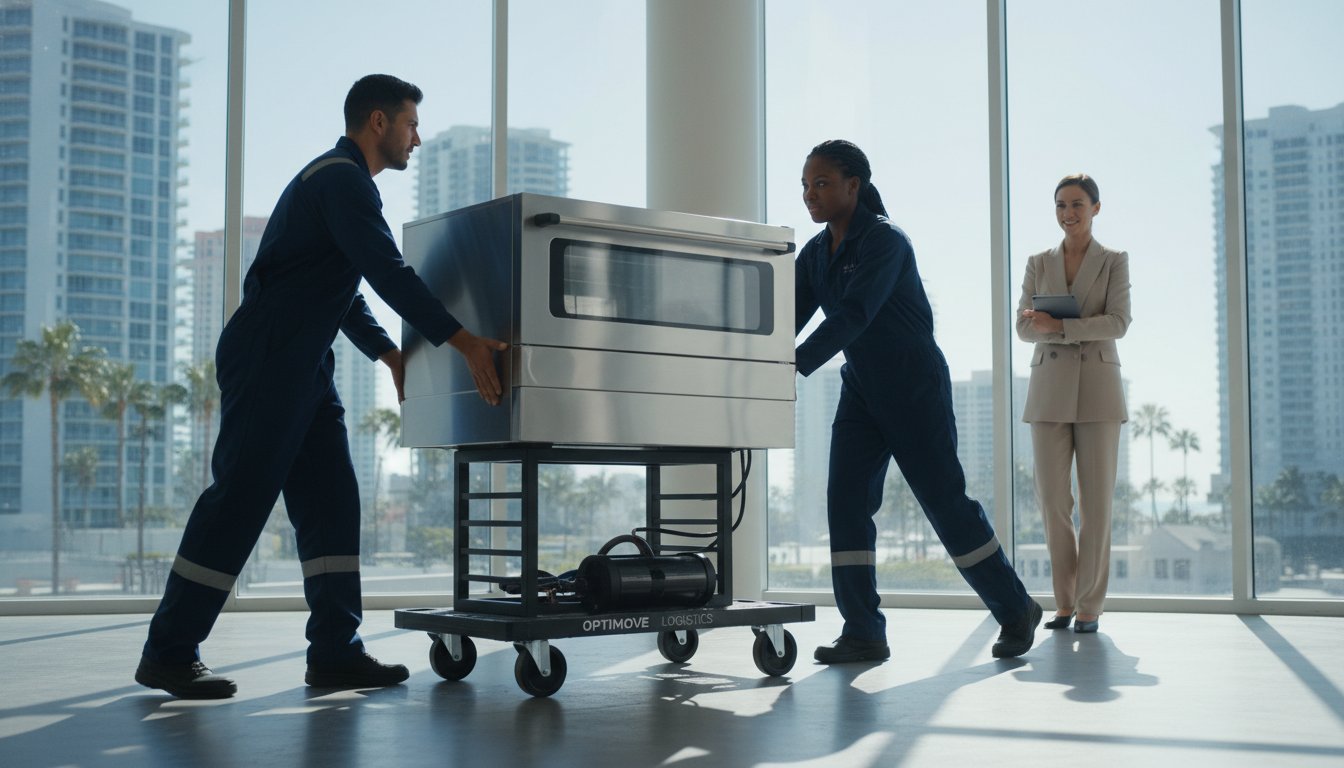
What if the most expensive mistake your restaurant makes this year isn’t a failed menu launch, but a single inch of movement in the wrong direction? It’s a valid fear for any owner facing a relocation. You’ve spent years building your culinary assets, and the thought of a high-cost oven or a delicate refrigeration unit sustaining damage during a move is incredibly stressful. That’s why choosing the right restaurant equipment movers is the most critical decision you’ll make during your transition. We understand that your equipment isn’t just machinery; it’s the heartbeat of your business and the key to your livelihood.
You probably already know that moving a commercial kitchen involves much more than just heavy lifting. It requires a precision-engineered plan to handle tight urban spaces and strict safety requirements. Our expert guide will teach you how to master these complexities so you can enjoy a damage-free transition and minimal downtime. We’ll walk you through specialized preparation techniques, insurance requirements, and logistical strategies for 2026. This ensures you stay compliant with all health inspections and open your new doors right on schedule.
Key Takeaways
- Learn how to protect your high-value culinary assets by identifying the specific insurance gaps that standard moving policies often overlook.
- Discover the specialized techniques, such as custom timber crating and air-ride transport, that prevent damage to delicate electronics and glass components.
- Master the vetting process for restaurant equipment movers by verifying their experience with NSF-certified units and checking their commercial cargo limits.
- Use our step-by-step preparation guide to safely decommission gas lines and sanitize equipment to meet strict health inspection deadlines.
- Implement strategic logistical planning to minimize downtime and ensure your new kitchen is operational as quickly as possible.
Understanding the Risks of Moving Commercial Kitchen Equipment
Relocating a commercial kitchen is a high-stakes operation where the smallest oversight can lead to expensive setbacks. Most business owners focus on the physical challenge of lifting heavy objects, but the true risks are often invisible. When you work with specialized restaurant equipment movers, you’re paying for the protection of your inventory’s calibration and longevity. A miscalibrated convection oven or a bent refrigeration coil might not show damage immediately, but these issues can lead to uneven cooking or total compressor failure within weeks of your grand reopening. The principles of logistics dictate that every piece of equipment requires a unique handling protocol to survive the transition.
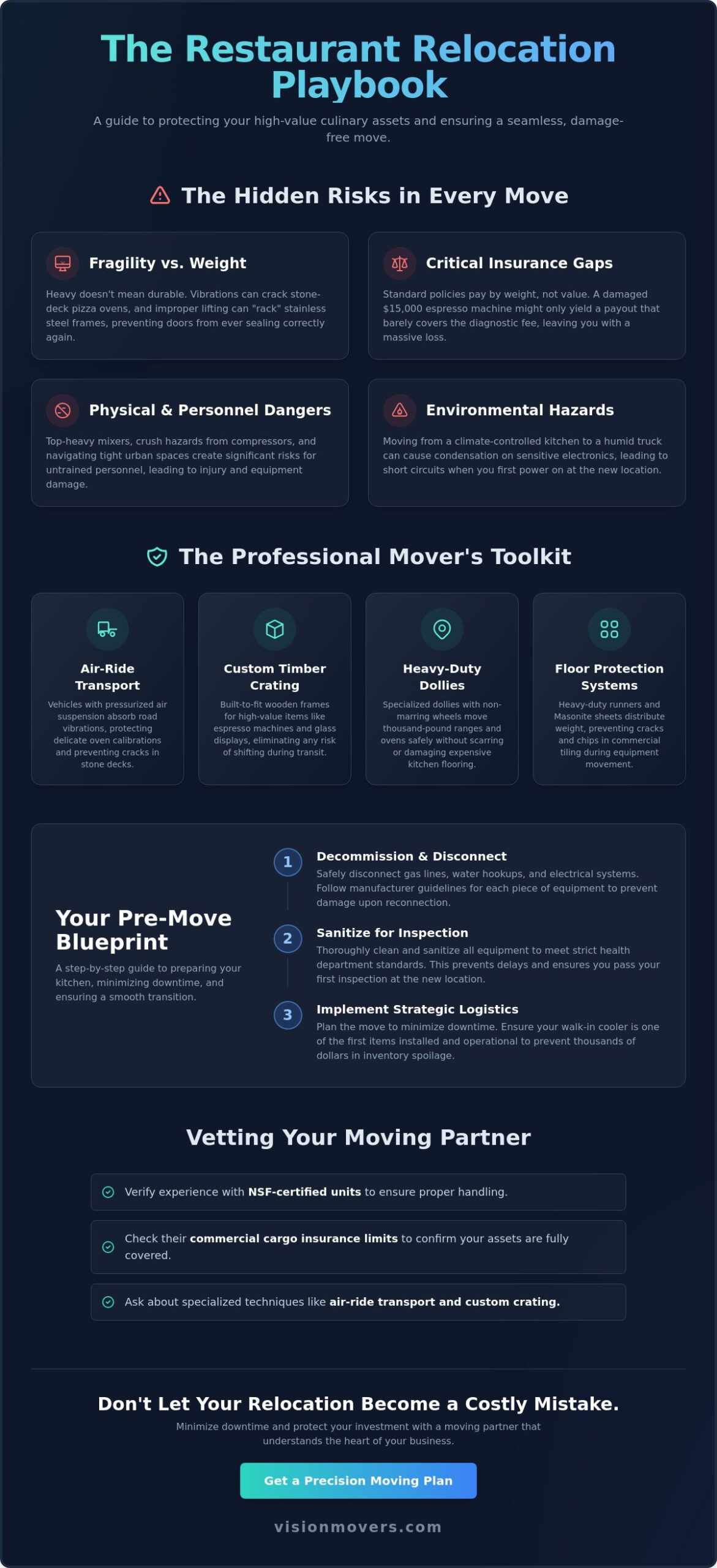
Standard moving insurance often provides coverage based on weight, which is a significant trap for culinary professionals. A high-tech espresso machine might weigh 80 pounds but cost $15,000. If it’s damaged under a basic policy, the payout won’t even cover the diagnostic fee, let alone a replacement. Additionally, South Florida’s unique climate introduces environmental risks. The transition from a climate-controlled kitchen to a humid moving truck can cause condensation on sensitive electronic control boards, leading to short circuits when you first power them up at the new location. Moving industrial equipment also presents significant physical dangers to personnel:
- Top-Heavy Loads: Large industrial mixers and ranges have high centers of gravity, making them prone to tipping on ramps.
- Crush Hazards: Heavy-duty compressors and cast-iron components require mechanical assists to prevent injury.
- Sharp Transitions: Tight South Florida urban spaces often require navigating narrow hallways where equipment can easily pin a worker.
Fragility vs. Weight: The Dual Challenge
It is a common misconception that because an item is heavy, it is durable. Stone-deck pizza ovens are notoriously difficult because the internal stones can crack under the vibration of a standard truck. Similarly, large stainless steel prep tables and ranges are susceptible to “racking.” This occurs when the frame is twisted during lifting, causing doors to never seal properly again. For complex machinery like industrial dishwashers, mechanical integrity is the precise alignment of internal pumps, spray arms, and heating elements that must remain undisturbed to ensure consistent sanitation and leak-proof operation. Professional movers use specialized techniques to maintain this structural harmony.
The High Cost of Operational Downtime
Every hour your kitchen is offline represents lost revenue and potential inventory spoilage. If your walk-in cooler isn’t operational within hours of arriving, thousands of dollars in fresh produce and proteins are at risk. In South Florida, the logistics are even tighter. Missing a scheduled health department inspection in Broward County because a range wasn’t installed correctly can delay your opening by weeks. Implementing effective commercial moving strategies is the only way to ensure your doors open on time and your staff can get back to work without missing a beat.
The Specialized Tools and Techniques Professional Movers Use
Moving a commercial kitchen requires more than just a standard truck and a few sets of hands. Expert restaurant equipment movers utilize a specific arsenal of tools designed to neutralize the physical stresses of transport. For example, heavy-duty appliance dollies with non-marring wheels allow for the movement of thousand-pound ranges without scarring your kitchen floor. We also deploy air-ride suspension vehicles for these transitions. These trucks use pressurized air bags instead of traditional leaf springs to absorb road vibrations. This technology is essential for protecting the delicate internal components of calibrated ovens and the stone decks of pizza ovens mentioned earlier.
Custom timber crating provides another layer of security for high-value assets like industrial espresso machines or fragile glassware. By building a frame specifically for the item’s dimensions, we eliminate the risk of shifting during transit. To protect your investment in the property itself, we use professional floor protection systems. These heavy-duty runners and Masonite sheets distribute the weight of massive machinery across expensive commercial tiling. This prevents the cracks or chips that can lead to expensive repairs or health code violations before you even open. When handling oversized walk-in components, our teams use hydraulic lift gates and specialized rigging to ensure every piece is transitioned with precision.
Rigging and Hoisting for Tight Urban Spaces
In dense areas like Brickell or downtown Fort Lauderdale, standard loading docks are often a luxury. Professional commercial moving teams must frequently navigate narrow alleyways or restricted parking zones where space is at a premium. When equipment is too large for an elevator or a narrow service corridor, a crane or external hoist becomes a logistical necessity. We follow strict safety protocols to secure these loads, ensuring that heavy assets remain stable even when maneuvering on the uneven pavement or steep inclines often found in older urban corridors.
Climate-Controlled Logistics for Sensitive Tech
The intense South Florida heat is a silent enemy to your kitchen’s digital control panels. During the transition phase, we prioritize temperature management to keep sensitive electronics from overheating in the sun. We also utilize moisture-wicking packing materials for all cast iron components. This is a critical step to prevent surface rust from forming when equipment is exposed to high humidity levels. Finally, our specialized restaurant equipment movers focus on rapid unloading at the destination. This efficiency helps maintain the integrity of internal compressor seals in your cooling units, ensuring they are ready for a certified technician to reconnect them without delay.
How to Vet a Restaurant Equipment Moving Company
Hiring the wrong team can turn a planned relocation into a financial disaster. When you begin your search for restaurant equipment movers, you must look beyond basic moving experience. A general moving company might be great at wrapping sofas, but they often lack the technical knowledge required to handle a $20,000 combi-oven or a delicate soft-serve machine. You need a partner that demonstrates professional confidence and understands the specific mechanical risks involved in your industry. This starts with a deep dive into their credentials and their specific approach to culinary logistics.
Your first priority is verifying commercial-grade insurance and cargo protection limits. Standard policies often cover items by weight, which is insufficient for high-value kitchen tech. Ensure your mover carries a policy that covers the full replacement value of your specific inventory. Additionally, ask about their experience with NSF-certified equipment. Movers must understand that maintaining the structural integrity of these units is vital for future health inspections. If a frame is bent or a seal is compromised during transit, the unit may no longer meet the strict sanitation standards required for operation.
Local expertise is equally critical in South Florida. A qualified mover should be intimately familiar with Broward and Miami-Dade regulations, including specific parking permits for loading zones and sidewalk blockage ordinances. South Florida has seen a massive wave of business relocations in recent years, and the same corporate relocation services South Florida businesses rely on for office moves can offer valuable insight into local compliance requirements for commercial kitchen transitions as well. They should also provide a transparent “white-glove” service quote. This quote should clearly outline every cost, from specialized packing materials to the labor required for heavy rigging. If a company can’t explain their pricing structure clearly, they likely haven’t accounted for the complexities of your move. To avoid hidden fees and unexpected costs, reviewing a comprehensive guide to moving services can help you understand what a transparent, well-structured quote should include.
Licensing and Credentials for South Florida
Before signing a contract, verify the company’s USDOT number and their Florida intrastate registrations. These records confirm the business is legally authorized to transport goods within the state. You should also look for reviews that specifically mention “commercial kitchen” or “restaurant” moves. General residential reviews don’t reflect the skill set needed for industrial assets. Finally, ask about background checks for the crew. This is essential if you’re moving into high-security buildings in Brickell or downtown Fort Lauderdale where building managers require strict vendor vetting.
The Importance of an On-Site Consultation
Be wary of any company that provides a firm estimate over the phone. An “over-the-phone” quote is a major red flag because it’s impossible to account for the physical hurdles of a restaurant move without seeing the space. A professional must assess access points, measure elevator clearances, and check the weight limits of loading docks. A comprehensive site survey is the technical foundation of a successful move; it identifies every potential bottleneck from narrow door frames to uneven flooring before the first truck arrives. This methodical approach ensures there are no surprises on moving day.
A Step-by-Step Guide to Preparing Your Kitchen for Relocation
Success in a commercial relocation is built on the work you do before the truck even arrives. While professional restaurant equipment movers bring the tools and expertise to move your assets, your preparation ensures those assets are ready to perform the moment they’re plugged in. This process requires a methodical approach to decommissioning, cleaning, and organization. By following a structured plan, you reduce the risk of damaged components and significantly cut down on the time it takes to resume operations. It’s about creating a logical flow that protects your investment from the old loading dock to the new prep station.
Start by performing a final inspection of the “path of travel” at both your current and new locations. This means checking that hallways are clear, doorways are measured, and any floor protection is already in place. You should also secure all loose internal components such as shelving, racks, and glass panels. These items should be labeled and inventoried separately to allow for rapid re-assembly. If you’re also managing the relocation of your home or office alongside your business, you might find our local moving service guide helpful for managing those broader logistics.
Sanitisation and Decommissioning Protocols
You must engage certified technicians to handle the “disconnect” phase of your move. Electricians and plumbers are essential for safely decommissioning gas and water lines to prevent leaks or electrical hazards. Once disconnected, every piece of equipment needs a deep clean to meet strict health codes. It’s vital that all surfaces are 100% dry before being wrapped in plastic. Trapped moisture in the Florida heat can lead to mold growth or surface corrosion during transit. You must also drain all grease traps and deep fryers completely to prevent hazardous spills that could damage other equipment in the truck.
Inventory Management and Layout Planning
A successful transition relies on knowing exactly where every piece of equipment will land. Create a detailed map of your new kitchen layout and share it with your moving team. This ensures that heavy units like walk-in components or ranges are placed correctly the first time, avoiding the need for dangerous mid-move adjustments. We recommend managing your smallwares, such as pans and utensils, and your “front of house” decor as a separate inventory stream to keep the kitchen focus clear. If you’re looking for a partner to handle these high-pressure logistics with quiet strength, contact our commercial moving experts to begin your site survey.
Minimizing Business Downtime with Vision Movers
Opening a new location is an exciting milestone, but the logistics of the transition often stand between you and your first service. At Vision Movers, we apply a “Quiet Strength” to every commercial project we undertake. This means we arrive with a disciplined plan and the mental organization required to manage high-pressure situations without adding to your stress. Our teams are deeply familiar with the unique challenges of Broward County and Miami-Dade logistics, from navigating the Palmetto Expressway to meeting the strict loading dock schedules of downtown high-rises. We don’t just move boxes; we transition your entire livelihood with professional confidence.
While the kitchen is the heart of your operation, we understand that your front-of-house assets are equally vital to your brand’s identity. Our white-glove furniture protection ensures that custom dining room fixtures, delicate lighting, and high-end seating arrive in pristine condition. We treat your specialized decor with the same level of care that our restaurant equipment movers apply to your industrial ranges. By providing a comprehensive solution for both the culinary and hospitality sides of your business, we allow you to focus on training staff and perfecting your menu rather than worrying about the condition of your chairs or tables.
Tailored Solutions for South Florida Culinary Brands
Every restaurant has a different footprint, and we provide solutions that reflect your specific needs. Whether you’re moving a small boutique bistro with a single stone oven or a massive catering facility with multiple walk-in freezers, we have the specialized equipment to handle the job. We stay strictly committed to 2026 safety standards and local compliance codes, ensuring that every piece of machinery is transported according to the manufacturer’s requirements. Throughout the process, we maintain transparent communication. Your management team will always know the status of the move, providing the peace of mind that comes from working with a trusted partner.
Seamless Integration with Your Re-opening Schedule
Timing is everything when you’re trying to minimize lost revenue. We coordinate closely with your general contractors and utility technicians to facilitate a “plug-and-play” re-opening. By planning moves during off-peak hours, we avoid the unpredictable city traffic that often causes delays in South Florida. Once on-site, we use precision placement for every heavy item. This allows your installation team to begin their work immediately without having to shift massive units themselves. If you’re ready for a move that prioritizes efficiency and safety, contact Vision Movers today for a customized commercial estimate that fits your timeline.
Secure Your Culinary Future with Expert Logistics
Relocating a commercial kitchen is a significant undertaking that requires more than just physical effort; it demands a partner who understands the high stakes of your industry. By partnering with experienced restaurant equipment movers, you ensure that every calibrated oven and delicate refrigeration unit is handled with the precision it deserves. Successful moves are built on the foundation of meticulous preparation and the expertise of seasoned professionals who know how to navigate the specific logistical hurdles of South Florida. This careful planning protects your investment and ensures your team can get back to what they do best as quickly as possible.
When you choose Vision Movers, you’re gaining a team that specializes in white-glove service for high-value commercial assets. We provide expert logistics management across Miami, Fort Lauderdale, and Boca Raton, ensuring your equipment arrives ready for action. Our comprehensive approach includes professional packing and furniture protection to safeguard every part of your brand’s physical presence. If you’re ready to transition your kitchen with quiet strength and calm competence, Request a Specialized Quote for Your Restaurant Move. We’re here to ensure your new location opens its doors with the same excellence your customers have come to expect. You’ve built a great business, and we’re committed to helping you move it safely into its next chapter.
Frequently Asked Questions
Do I need a special license to move restaurant equipment in Florida?
You aren’t required to have a personal license, but the company you hire must be registered with the Florida Department of Agriculture and Consumer Services (FDACS). For moves within the state, they should also hold a valid Florida intrastate registration number. Always verify these credentials before booking to ensure your commercial assets are being handled by a legally compliant and insured entity that understands local state requirements.
How far in advance should I book restaurant equipment movers?
You should aim to book your restaurant equipment movers at least four to eight weeks before your desired move date. Commercial kitchen relocations involve complex logistics and specialized tools that require careful scheduling. Booking early ensures you secure a team with the specific rigging expertise and vehicle capacity needed for your heavy duty appliances, especially during the busy South Florida moving seasons.
Can movers also disconnect my gas and water lines?
Professional movers typically don’t disconnect gas or water lines because these tasks require certified plumbers and electricians to ensure safety and code compliance. You should arrange for these technicians to decommission your equipment before the moving crew arrives. This division of labor protects your business from liability and ensures that every line is capped correctly, preventing hazardous leaks during the transition.
What is the best way to move a commercial walk-in freezer?
The most efficient way to move a walk-in freezer is to have it professionally disassembled into individual panels and components. Every piece should be carefully labeled and inventoried to facilitate a quick re-assembly at the new location. We recommend using specialized padding for the insulated panels and ensuring the compressor unit is handled with extreme care to maintain the integrity of its internal seals during transport.
Is moving insurance different for commercial kitchen equipment?
Yes, commercial moving insurance is significantly different because it involves higher cargo protection limits to account for the value of industrial machinery. Standard residential valuation, which pays by weight, is rarely sufficient for high cost culinary technology. You should verify that your mover carries comprehensive cargo insurance and general liability coverage that specifically protects against the mechanical failure of sensitive electronics during transit.
How do I protect stainless steel surfaces from scratches during a move?
Protecting stainless steel requires a combination of heavy duty moving blankets and professional grade stretch wrap to prevent surface abrasions. For high traffic areas, we use non-marring floor runners and Masonite sheets to ensure that heavy equipment doesn’t gouge the kitchen floor while being moved. This layered approach keeps your equipment looking pristine and ready for the health department’s final walk-through at your new location.
What happens if a piece of equipment doesn’t fit through the new door?
If a piece of equipment doesn’t fit, our team will evaluate if partial disassembly is possible or if we need to utilize specialized rigging for an alternative entry point. This scenario is exactly why we insist on a comprehensive site survey before moving day. By measuring every doorway and hallway in advance, we can identify these bottlenecks early and create a technical solution before the truck even arrives at your new space.
Should I move my food inventory with the kitchen equipment?
It’s best to minimize your food inventory before moving day rather than attempting to transport it with your heavy equipment. Moving trucks are not typically refrigerated, and the Florida heat can quickly cause spoilage for perishable items. We recommend coordinating with your suppliers to time new deliveries for your opening day, allowing you to focus entirely on the safe transition of your physical assets without the risk of inventory loss.
Leave a Reply