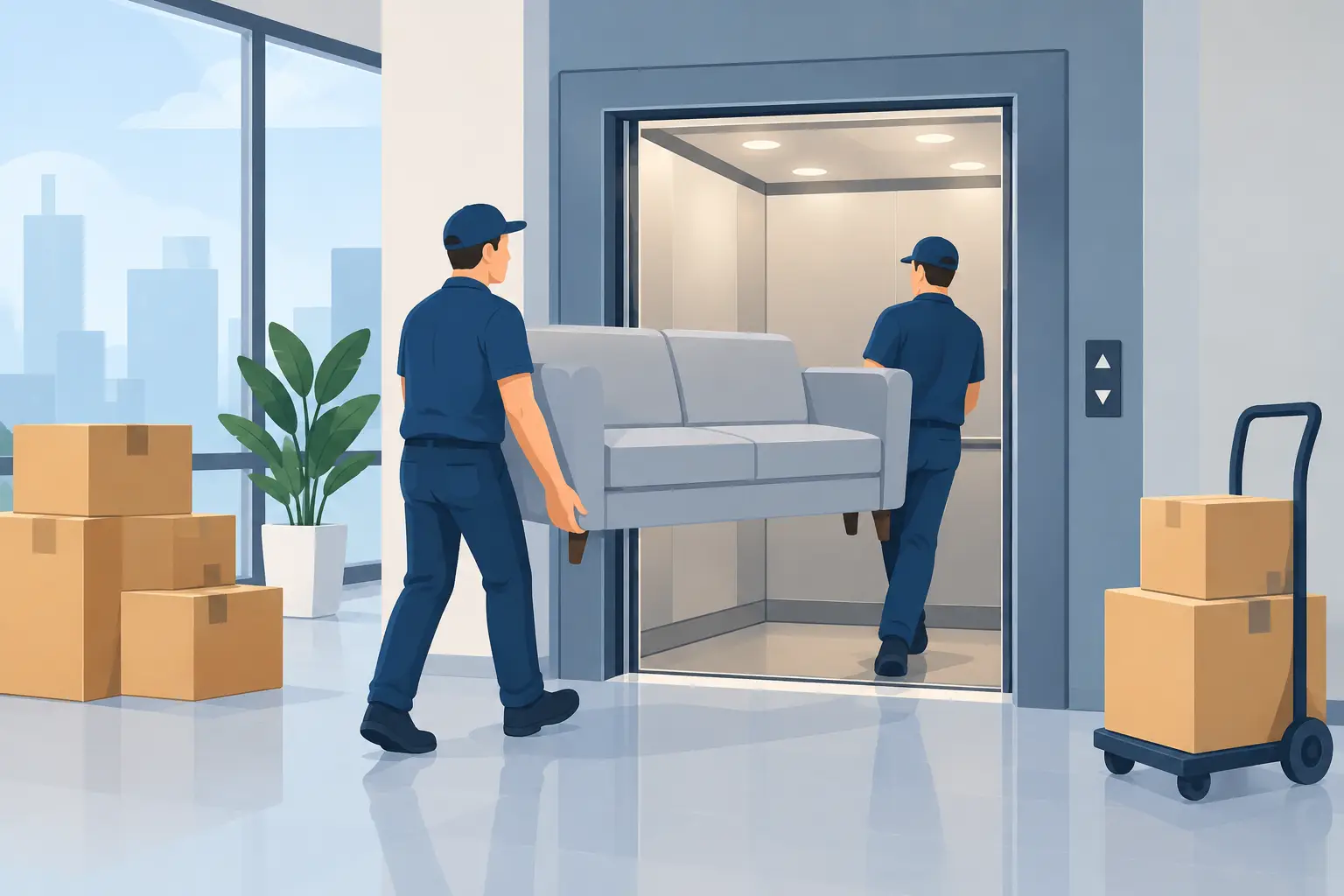
A moving truck can arrive right on schedule and a crew can be ready to work, but one unreserved elevator can bring the entire move to a stop. Elevator move rules are common in South Florida apartments, condos, and high-rise buildings, and they affect everything from your move date to the time and equipment needed to complete the job.
The good news is that most elevator-related problems are preventable. A little planning with your property manager, combined with an experienced moving crew, keeps your belongings moving safely from the truck to your new home or office.
Elevator Move Rules Start With Building Approval
Do not assume that having a lease, closing date, or keys means you can move whenever you want. Many buildings require residents to schedule a move with the management office days or even weeks in advance. Some restrict moves to weekdays, while others allow weekend moves only during specific hours.
Call your building manager as soon as you know your target moving date. Ask whether an elevator reservation is required, how long the reservation lasts, and whether the building permits move-ins and move-outs on the same day. In a busy condo building, the freight elevator may already be booked for deliveries, renovations, or another resident’s move.
For commercial spaces, approval may also involve the property manager, security desk, loading dock coordinator, and your building engineer. Offices and retail locations often schedule elevator access after normal business hours to keep hallways clear and minimize disruption.
Ask for the Rules in Writing
Every property has its own procedures. Request the move policy, elevator reservation form, and any moving checklist in writing. This prevents confusion when a rule is mentioned by one staff member but is not communicated to security or the loading dock.
Confirm these details before booking your movers:
- Available moving days and approved move hours
- Freight elevator or service elevator reservation requirements
- Loading dock access, vehicle height limits, and parking instructions
- Required certificates of insurance and security paperwork
- Elevator dimensions, door opening measurements, and weight limits
- Protective padding, floor covering, deposit, or refundable fee requirements
A passenger elevator may be available for residents but prohibited for furniture, carts, appliances, and moving crews. If the building has a freight elevator, use it unless management gives written approval for another arrangement.
Reserve Enough Elevator Time
A common mistake is reserving the elevator for only the estimated loading time. Your crew may need time to check in, protect the elevator interior, stage items in the hallway, travel between floors, and remove protective materials at the end. Buildings may also require the elevator to remain locked off for your reservation window, which means management wants a firm start and finish time.
The right reservation length depends on the size of the move, the floor, elevator capacity, walking distance to the unit, and how many elevators the property has. A studio with an organized resident may need a shorter window than a fully furnished three-bedroom condo. A move involving a large sectional, appliances, or a piano needs more planning than a few boxes and small furniture.
Do not schedule a tight handoff between your move-out and move-in elevator reservations. Traffic, weather, building check-in procedures, or an unexpected furniture issue can shift the schedule. Leave a buffer, especially when moving across Broward County or coordinating two high-rise buildings on the same day.
Measure More Than the Elevator Door
An item that fits through the elevator door still might not fit inside the elevator cab. Measure the door opening, interior width, interior depth, and height. Then compare those measurements with your largest pieces, including sofas, headboards, dressers, refrigerators, and oversized artwork.
Also consider the path before and after the elevator. A narrow hallway, sharp turn, low garage clearance, or small apartment entry can be the real obstacle. Moving professionals can often disassemble furniture or use appropriate equipment to handle difficult access, but that takes time and must be planned before move day.
Some items cannot safely travel in an elevator because of their size, weight, or building restrictions. Pianos, large safes, pool tables, and heavy appliances may require specialized equipment and a separate handling plan. Never try to force a heavy item into a cab that is too small or exceeds the posted weight limit. That risks property damage, injury, and costly delays.
Prepare the Building, Not Just the Boxes
Most elevator move rules focus on protecting common areas. Buildings may require elevator pads, wall protection, corner guards, and floor runners before any furniture enters the property. They may also require movers to use rubber-wheeled dollies and prohibit equipment that can mark flooring or damage tile.
This protection is not busywork. Condo lobbies, elevator doors, hallways, and polished floors are shared property, and damage claims can become expensive quickly. A trained moving team brings the right moving pads, dollies, straps, and tools to protect both your belongings and the building.
You can help by clearing your unit’s entryway, removing loose rugs, securing pets, and keeping hallways free of boxes. If your building requires a key fob or elevator operator, make sure that person is available for the full reservation. A crew cannot keep moving if access disappears halfway through the job.
Understand Insurance and Deposit Requirements
Many South Florida condos and managed apartment buildings require moving companies to provide a certificate of insurance, often called a COI, before allowing a move. The certificate may need to list the building, property management company, or association as an additional insured party. Requirements vary, so the exact wording matters.
Ask management when the certificate is due. Sending paperwork the night before a move is risky because the office may be closed or need time to review it. A licensed and insured moving company should be able to coordinate required documentation, but the resident or tenant is still responsible for confirming building approval.
Some properties also collect a moving deposit or charge a nonrefundable elevator fee. Ask what triggers a deduction from the deposit and whether the building performs a pre-move and post-move inspection. Take clear photos of any existing marks or damage in the elevator and hallway if the property does not document conditions itself.
Coordinate Parking and the Loading Dock
Elevator access is only one part of the route. Your movers need a legal, practical place to park and unload. In downtown Fort Lauderdale, Hollywood, and other dense areas, the closest curb space may not be available for a moving truck. Garage height restrictions can also prevent larger trucks from entering.
Ask management where the truck should park, whether the loading dock must be reserved, and whether security needs the truck’s information in advance. Find out if there is a time limit at the dock and whether deliveries share that space. If the truck must park farther away, your move can take longer because every item travels a greater distance.
For a house move, this may be simpler, but gated communities and townhome developments can still have access rules. Provide gate codes, contact numbers, and parking instructions before the crew arrives.
Make Move Day Easier for Everyone
Have your elevator reservation confirmation, building contact information, and unit keys ready when the movers arrive. Show the crew the approved loading route, the elevator, and any areas management has identified as off-limits. Let them know about fragile items, furniture that needs disassembly, and boxes you want loaded or unloaded first.
If your building assigns an elevator time window, be ready at the start of it. Last-minute packing, missing keys, or delayed elevator access wastes valuable reserved time. For an office relocation, designate one employee who can answer questions and make decisions about furniture placement, access cards, and equipment.
Vision Movers helps South Florida residents and businesses plan around building requirements with trained crews, proper equipment, and organized scheduling. The goal is simple: protect the property, handle your belongings carefully, and keep the move moving.
Before move day, one call to your property manager can save hours of frustration later. Get the elevator rules, reserve the right access window, and give your moving team the details early enough to build a plan that works.
Leave a Reply