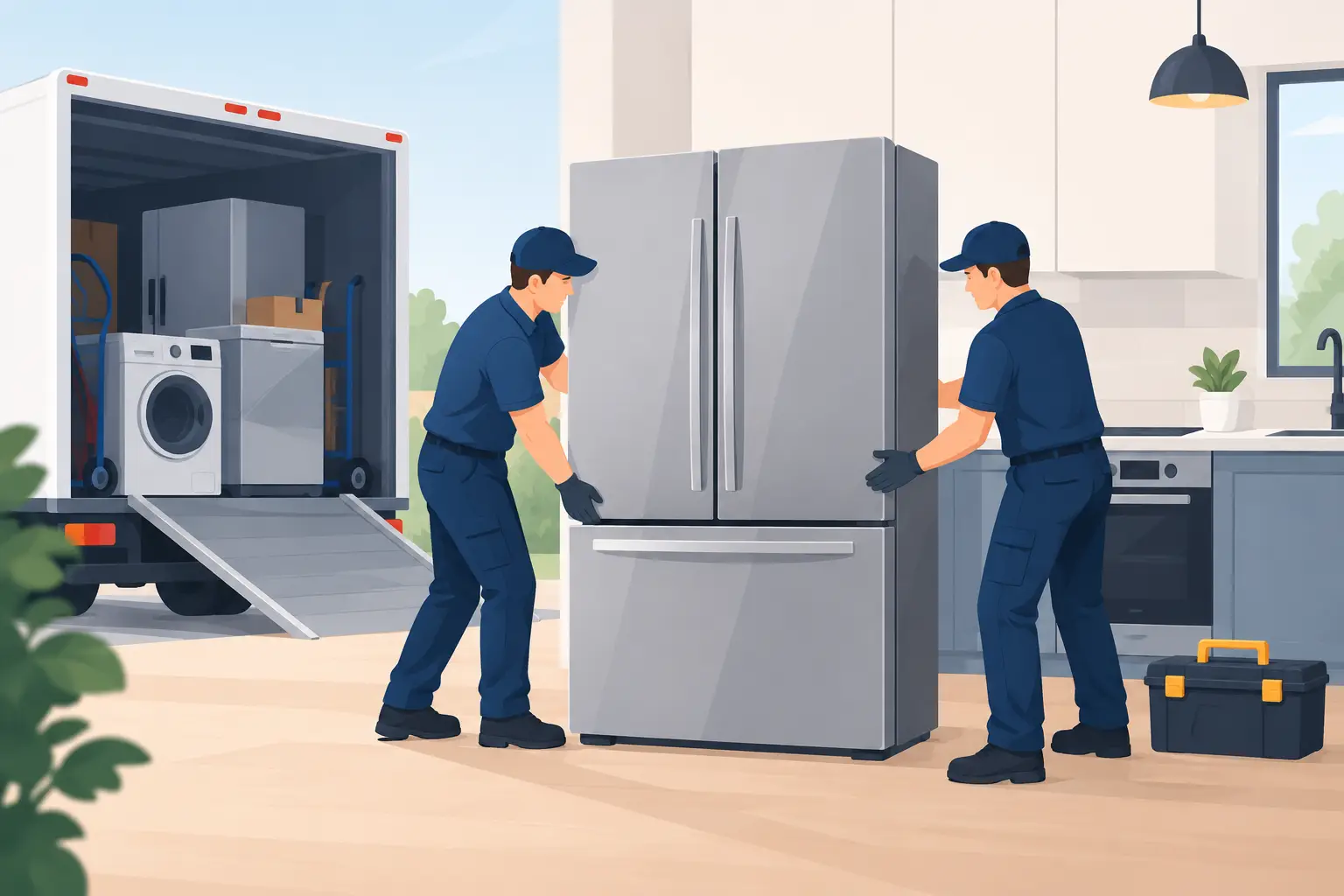
A refrigerator that is tilted too far, a washer moved with water still inside, or a range pushed across a new floor without protection can turn move-in day into an expensive problem. An appliance moving and installation service is built to prevent those problems by planning the route, using the right equipment, and handling each unit according to its weight, shape, and connection requirements.
For South Florida homeowners, renters, condo residents, and business owners, appliance work is rarely a simple lift-and-carry job. Elevators, narrow hallways, stairwells, heat, tight loading areas, and strict building rules all affect the plan. The right crew keeps the work organized from pickup through placement, so your kitchen, laundry room, break room, or commercial space can get back to normal faster.
What an Appliance Moving and Installation Service Covers
Appliance moving starts before the crew arrives. A professional team considers the appliance type, dimensions, weight, access points, floor surfaces, and destination. A compact dishwasher and a commercial refrigerator may both be appliances, but they require very different equipment, manpower, and handling plans.
At pickup, trained movers protect exposed surfaces, secure doors and removable parts, and use dollies, straps, furniture pads, and floor protection as needed. The goal is to keep the appliance stable while also protecting walls, door frames, elevators, flooring, and the people doing the work.
Installation can mean several things. In many moves, it includes bringing the appliance into the correct room, positioning it, removing exterior moving protection, and making sure it is accessible for a qualified installer or technician. For units with simple placement needs, it may also include leveling and arranging the appliance where the customer wants it.
The scope depends on the appliance and its utility connections. Gas lines, hardwired electrical work, water lines, drainage, venting, and specialized commercial connections may require a licensed plumber, electrician, gas technician, HVAC professional, or manufacturer-approved installer. A dependable moving company should be clear about what its crew will handle and where a licensed trade professional is needed. Clear expectations protect your property and help avoid unsafe shortcuts.
Why Appliances Need More Than Muscle
Appliances are heavy, but weight is only one part of the challenge. A French-door refrigerator can be top-heavy and awkward around turns. A front-load washer has internal components that can shift if it is not properly prepared. A dryer may need its venting disconnected and reconnected correctly. A range can involve gas or electrical considerations that should never be guessed at.
There is also the issue of damage that is not immediately visible. Dragging a refrigerator can scratch tile or hardwood. A washer that is not drained can leak during transport. Doors, shelves, racks, and glass panels can break if they are not secured. Moving equipment, careful lifting technique, and a planned route reduce those risks.
For condo and apartment moves, building logistics matter just as much. Some properties require elevator reservations, certificates of insurance, loading dock instructions, and time-specific move windows. A crew that arrives prepared can work within those rules instead of losing valuable time at the property.
Prepare Your Appliances Before Moving Day
Good preparation makes appliance moving safer and faster. Start early when possible, especially for refrigerators and freezers. Empty the appliance, clean it, and allow it to dry completely. Food, ice, and moisture add weight and can create leaks, odors, or mold during transit.
For a washer, run a drain cycle and disconnect water hoses only after the water supply is shut off. Keep hoses, cords, manuals, brackets, and removable pieces together in a labeled bag. If the manufacturer calls for shipping bolts or transport locks, use them. These small details help protect internal components during a move.
Before your scheduled service, take care of these five practical tasks:
- Measure the appliance, doorways, hallways, elevator openings, and the new placement area.
- Confirm who will disconnect and reconnect gas, water, electrical, drainage, and venting components.
- Clear a path from the appliance to the exit, including rugs, boxes, patio furniture, and loose cords.
- Photograph the appliance and its connections before work begins, particularly for higher-value or commercial units.
- Tell the moving team about stairs, tight turns, gated access, elevator reservations, parking limits, or building rules.
A few measurements can prevent a major surprise. If a refrigerator fits through the kitchen door but cannot make the turn from the hallway, the crew may need to remove doors or adjust the route. That work is manageable when it is anticipated, but it should not be discovered after the truck is loaded.
Installation Is About Placement, Access, and Safety
Once an appliance arrives, rushing the final steps can undo careful moving work. The unit needs to be placed where there is enough clearance for doors, vents, hoses, and future service. Refrigerators need room for airflow. Washers need stable flooring and appropriate hose access. Dryers need a safe vent path. Commercial equipment may need exact placement for workflow, clearance standards, or utility access.
Leveling is another detail that affects performance. An uneven washing machine can vibrate, walk across the floor, and create excessive noise. A refrigerator that is not positioned correctly may have door alignment issues. Depending on the appliance and service scope, the crew can place and level the unit, while licensed specialists complete any required utility work.
Some appliances should sit upright for a period before being powered on, especially if they were transported on their side or at a significant angle. The recommended wait time varies by manufacturer and model. Check the owner’s manual or ask the manufacturer before plugging the unit in. Starting it too soon can affect the compressor or cooling system.
Residential and Commercial Moves Have Different Priorities
For a household move, the focus is usually protecting the home, meeting building requirements, and getting essential appliances in place quickly. Families often need the refrigerator, washer, dryer, and range ready as soon as possible. A coordinated appliance plan helps reduce the number of days spent living around boxes, takeout meals, and laundry bags.
Commercial appliance moves add another layer of coordination. Restaurants may need refrigeration, cooking equipment, and prep stations moved around delivery schedules and health requirements. Gyms may need heavy equipment relocated without blocking members or damaging flooring. Medical, dental, salon, retail, and hospitality facilities often need work completed after hours to limit customer disruption.
That is where scheduling flexibility matters. Vision Movers can coordinate moving, placement, disassembly, reassembly, and after-hours commercial work with a plan built around access, staffing, and downtime. The best approach is not always the fastest possible move. It is the move that protects equipment and gets operations running again with fewer interruptions.
Questions to Ask Before You Book
Price matters, but the lowest quote does not always cover the full job. Ask whether the estimate includes appliance handling, stairs, elevator time, long carries, protective materials, disconnection, placement, assembly, or special equipment. Transparent pricing helps you compare services without surprises on moving day.
You should also ask whether the company is licensed and insured, whether its movers are trained to handle heavy appliances, and what equipment will be used. If your appliance has gas, water, electrical, drainage, venting, or manufacturer-specific requirements, ask exactly how those needs will be addressed.
For a same-day or last-minute move, be upfront about timing and access. A qualified crew can often build a workable plan quickly, but accurate details make a difference. Photos, measurements, appliance model information, and building instructions give the team what it needs to arrive prepared.
A Better Way to Plan Appliance Moving Day
Think of appliance moving as a coordinated handoff, not a single heavy lift. Your movers handle safe transport and careful placement. Qualified installation professionals handle technical connections when required. Property managers provide access details. You provide the appliance information and priorities that shape the plan.
When each part is clear before moving day, the work moves faster, your property stays better protected, and there is less guesswork at the new location. That leaves you with a kitchen, laundry room, or business space that feels ready to use rather than another problem waiting to be solved.
Leave a Reply