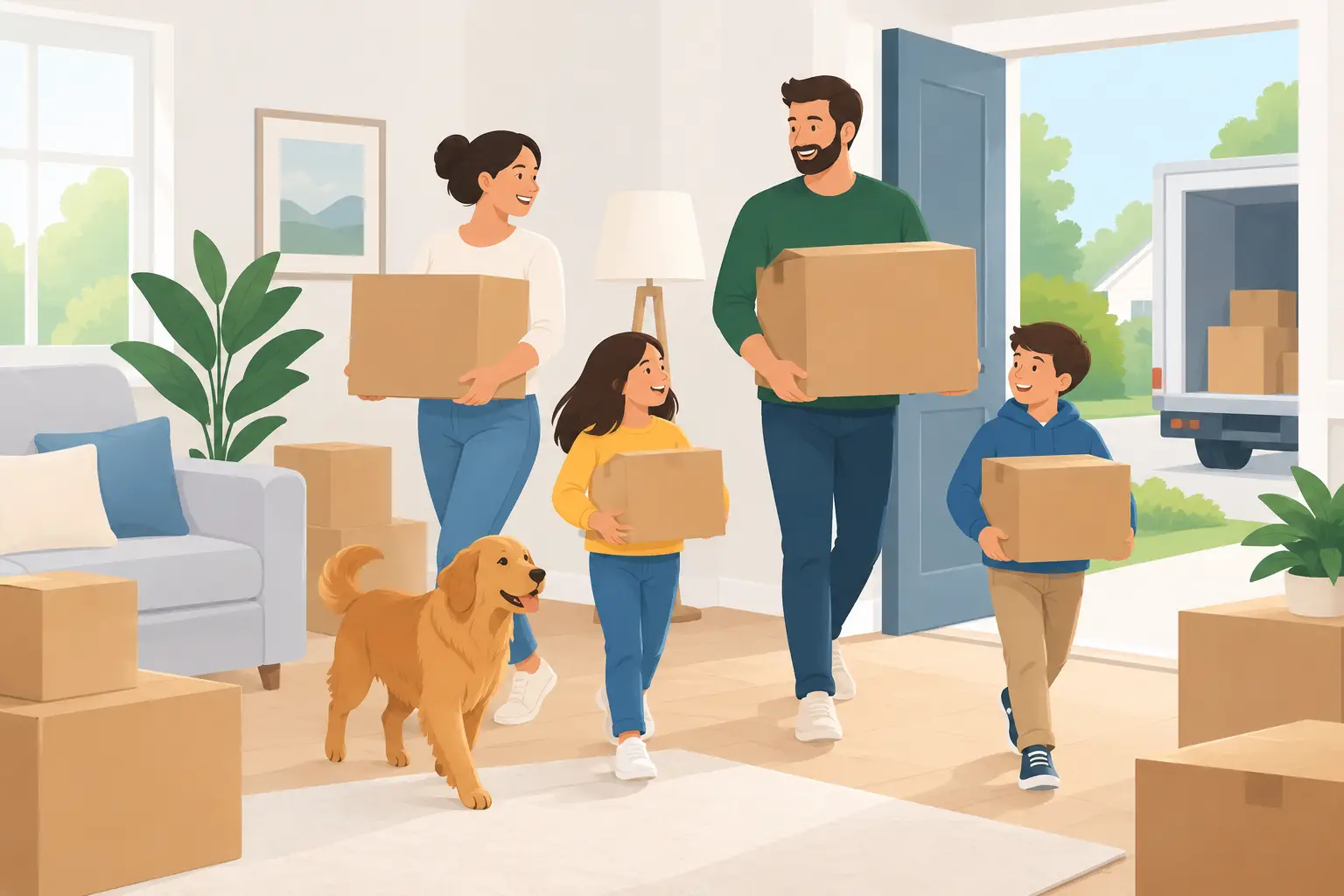
A family move is rarely just about getting boxes from one address to another. It means keeping children comfortable, protecting the belongings that make a house feel like home, managing school or work schedules, and making sure nobody is searching for medication or a favorite stuffed animal at 10 p.m. These family moving tips can help you build a plan that keeps the household organized before, during, and after moving day.
Start With a Plan Everyone Can Understand
The best time to lower moving-day stress is before packing starts. Set your move date, then work backward to create realistic deadlines for sorting, packing, address changes, building reservations, and utility transfers. A written plan on the refrigerator or a shared phone calendar works well because every adult in the household can see what needs attention.
Give each room a packing deadline rather than trying to finish the whole home in one weekend. Start with guest rooms, seasonal clothing, wall decor, books, and other items your family will not need right away. Save everyday kitchen supplies, school materials, and frequently used bathroom items for the final days.
If you are moving from or into a condo or apartment in Fort Lauderdale, Hollywood, Plantation, or another busy South Florida community, contact the property manager early. Many buildings require a certificate of insurance, elevator reservation, approved moving hours, or a designated loading area. Missing one of these requirements can delay an otherwise well-organized move.
Give Kids a Role in the Process
Children usually handle a move better when they know what is happening and have a small amount of control. Explain the basic timeline in age-appropriate terms: when packing starts, when they will see the new home, and where they will sleep on the first night.
Let kids pack a clearly labeled box of their own non-breakable belongings. They can choose books, toys, artwork, pajamas, and comfort items to keep close. Teenagers can take responsibility for a closet, desk, or gaming setup, but avoid putting them in charge of tasks where a missed deadline affects the entire move.
A family walk-through of the new home can also help. If an in-person visit is not possible, show photos or a simple floor plan. Point out where bedrooms, bathrooms, and shared spaces will be. Familiarity makes the first night feel less unfamiliar.
Family Moving Tips for Smarter Packing
Packing is where a move can become either manageable or chaotic. Use sturdy boxes, quality tape, and clear labels that identify both the room and the contents. “Kitchen” is helpful, but “Kitchen – coffee maker, mugs, and filters” is much better when you are tired and need to unpack only what matters.
Pack one room at a time whenever possible. Mixing items from several rooms into one box saves a few minutes at first but creates far more work at the destination. Keep a separate inventory of high-value or sentimental belongings, such as family photos, jewelry, important documents, heirlooms, and small electronics.
Fragile items need proper protection, not hopeful packing. Wrap glassware individually, use clean paper or packing material to fill empty spaces, and mark boxes as fragile on more than one side. For larger items such as televisions, mirrors, appliances, pianos, pool tables, or safes, trained movers with the right equipment are often the safer choice. These items are heavy, awkward, and easy to damage without correct lifting methods.
Before sealing boxes, take a few minutes to declutter. Donate usable items, recycle what you can, and dispose of anything that is damaged or no longer needed. This reduces the number of boxes, but it also prevents the new home from starting out crowded with things your family has already outgrown.
Pack One First-Night Bag for Each Person
Do not rely on finding the right box after a long moving day. Keep a first-night bag or bin with you rather than loading it onto the truck. For a family, it should include at least:
- Prescription medications, basic first-aid supplies, and copies of important documents
- Phone chargers, wallets, keys, and any needed work or school items
- Pajamas, a change of clothes, toiletries, and towels
- Snacks, bottled water, paper towels, and simple cleanup supplies
- Pet food, leashes, carriers, and familiar pet bedding
- A few favorite toys, books, or comfort items for children
If you are traveling a longer distance, add car activities, headphones, and a small cooler with easy meals. South Florida heat can make a simple delay more uncomfortable, especially for young children and pets.
Plan Around South Florida Logistics and Weather
A local move in South Florida comes with details that families in other areas may not face. Heat, sudden rain, traffic, narrow condo corridors, and limited elevator access can all affect timing. Morning moves are often more comfortable, particularly if children, older relatives, or pets will be present.
Watch the forecast in the week leading up to your move. Rain does not always stop a move, but it changes how crews protect floors, furniture, and boxes. Keep towels, floor coverings, and plastic bins available for items that cannot get wet. If severe weather is expected, speak with your moving company early about timing and backup options.
Parking is another major consideration. Reserve space close to both homes when possible, and let neighbors or building staff know the truck will be there. The farther movers must carry furniture, the longer the job may take. Clear walkways, remove loose rugs, and keep pets safely away from loading areas.
Make Moving Day Safer for the Whole Family
Moving day moves quickly, which is why a little structure goes a long way. Keep children and pets out of the main traffic path, especially when furniture, appliances, and heavy boxes are being carried. A trusted relative, sitter, or friend can be a big help for families with toddlers, nervous pets, or infants who need a quiet routine.
Do one final walk-through before the truck leaves. Check closets, cabinets, the garage, outdoor storage, and behind doors. Turn off lights, confirm windows are secure, and take photos of the old property if needed for a rental or sale record.
At the new home, place room labels on doors before unloading begins. This gives movers clear direction and prevents every box from ending up in the living room. Point out any fragile furniture, tight corners, stairs, or surfaces that need extra care before the crew starts carrying items inside.
There is a trade-off when deciding whether to unpack everything right away. Fully unpacking can make the home feel settled faster, but it can also exhaust everyone. Start with beds, bathrooms, the kitchen basics, and children’s rooms. The rest can wait until your family has slept, eaten, and caught its breath.
Help the New Home Feel Familiar Quickly
The first 48 hours set the tone for the transition. Make beds early, set up a simple meal area, and keep routines as close to normal as possible. Even a familiar bedtime story, family dinner, or short walk around the neighborhood can help children feel grounded.
Unpack one comforting shared space before focusing on decor. It may be the family room, breakfast table, or a corner with favorite blankets and games. This gives everyone a place to relax while the rest of the home is still in progress.
For school-age children, prepare clothes, backpacks, and lunches the night before their first day after the move. For pets, introduce them to one quiet room first, then gradually let them explore. New surroundings can be overwhelming, and a slower adjustment is often safer.
A well-planned move does not need to be perfect to be successful. Keep the priorities clear: your family’s safety, the essentials you need first, and enough structure to make the new home feel livable from day one. The boxes will get unpacked. What matters most is giving your family room to settle in together.
Leave a Reply