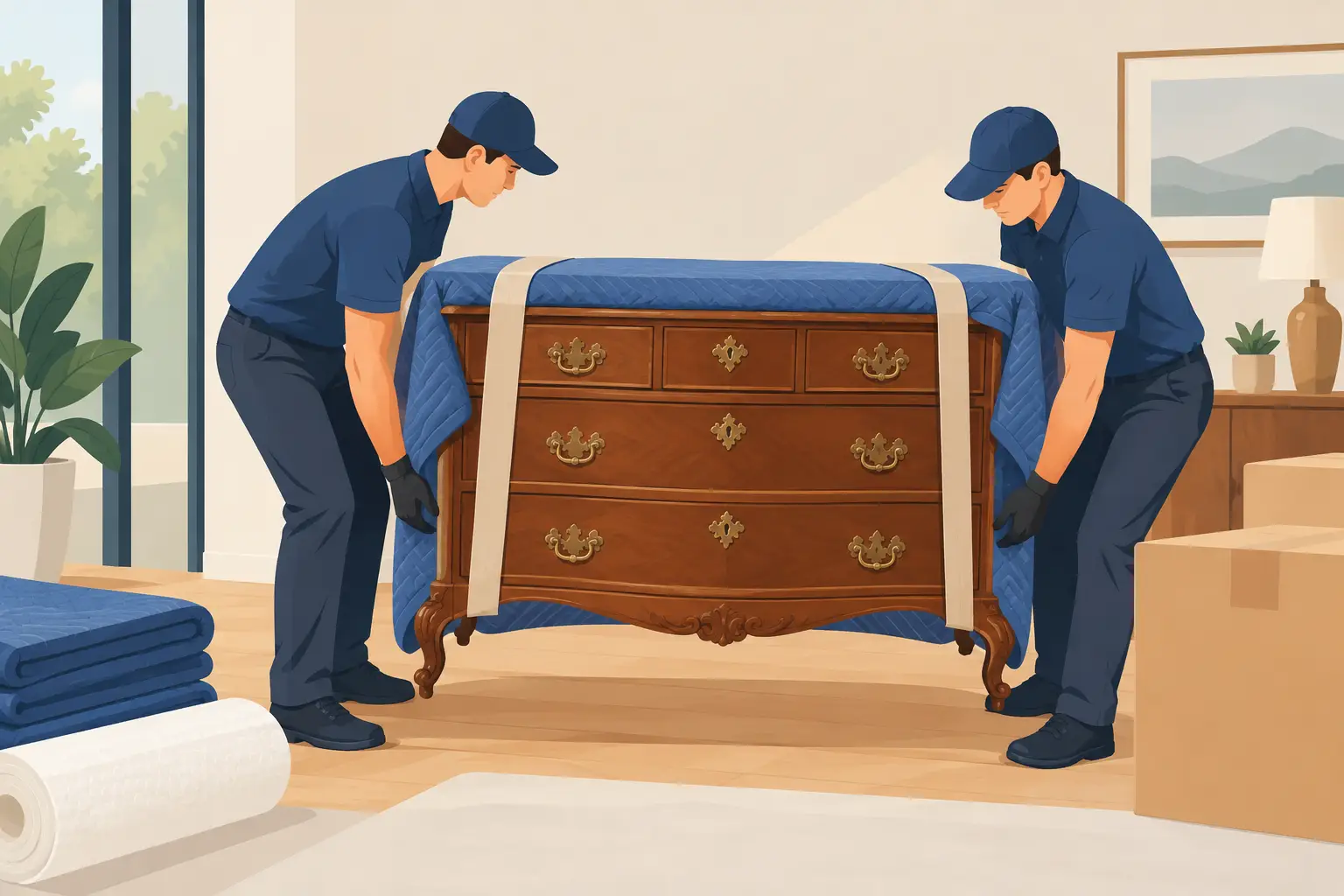
A 100-year-old armoire can look sturdy enough to survive anything, then loosen at one corner when lifted the wrong way. That is the challenge behind a guide to moving antique furniture: age, craftsmanship, finish, and sentimental value all change how a piece should be handled. A standard moving plan may work for a modern dresser. An heirloom dining table, marble-topped console, or hand-carved cabinet deserves a more deliberate approach.
Antique furniture is not automatically fragile, but it is often less forgiving. Old glue joints can dry out, veneer can lift, original hardware can go missing, and years of South Florida humidity may have affected the wood. Careful planning protects both the furniture and the value tied to its condition.
Start With an Honest Condition Check
Before packing begins, inspect every antique in good light. Photograph each side, the interior, the legs, drawers, joints, hardware, and any existing scratches or veneer damage. Close-up photos create a useful record if you need to document condition for insurance, a restoration professional, or your own peace of mind.
Look for movement at the legs, arms, and corners. Check whether drawers slide freely and whether glass, mirrors, marble, or decorative inlays are secure. Do not try to repair a loose joint with a quick household fix right before moving day. Fresh glue may not have time to cure, and tape applied directly to old finishes can leave residue or pull away delicate material.
If a piece has been appraised, keep the appraisal and photos together. For highly valuable antiques, ask your insurance provider what is covered during a move and whether a separate valuable-items policy is needed. Basic moving valuation and a collector’s insurance policy are not always the same thing. The right level of protection depends on the item, its documented value, and how far it will travel.
Make a Moving Plan Before You Touch the Piece
Measure the antique, then measure the route. Doorways, stairwells, elevator interiors, turns in hallways, condo loading docks, and the delivery entrance at the new home all matter. A piece that fits through a front door may still not clear a tight turn near the foyer or a low ceiling in a stairwell.
This step is especially useful for Fort Lauderdale-area condos and high-rises, where elevator reservations, loading-zone rules, and building certificates may control the schedule. A rushed decision at the elevator is where corners get bumped and furniture gets set down on the wrong surface. Reserve the proper window, confirm the building’s requirements, and give the crew a clear path.
Also decide where each piece will go before it leaves the old address. Antique furniture should not sit unprotected in a driveway, lobby, or humid garage while rooms are being figured out. A room-by-room placement plan reduces unnecessary handling and helps movers bring the piece directly to its final location.
Know When Disassembly Helps and When It Hurts
Some antiques should be partially disassembled. Removing a mirror from a dresser, taking marble off a base, or separating a table leaf can make the item safer to carry. Keep screws, keys, brackets, and hardware in labeled bags, and secure those bags to the corresponding item without putting adhesive on the furniture.
But disassembly is not always the safest choice. Older furniture may have hand-cut joinery, original nails, or wood that has shifted over decades. Forcing apart a piece designed to remain assembled can cause more damage than careful handling as one unit. When in doubt, let an experienced furniture mover or conservator assess the construction first.
Pack Antiques in Layers, Not Tape
The materials and order of packing matter. First, remove loose contents from drawers, cabinets, and secretaries. Heavy items left inside can strain old runners and joints. If a drawer cannot be removed safely, it can often be secured closed with a soft fabric wrap around the whole piece rather than tape across the drawer front.
Wrap protruding carvings, feet, handles, and corners with foam padding or soft moving pads. Then use clean moving blankets to cover the full piece. Plastic stretch wrap can hold blankets in place, but it should go over the blankets, not directly against wood, lacquer, shellac, or veneer. Plastic placed directly on a finish can trap moisture, especially in South Florida heat, and may affect older surfaces.
For mirrors, framed artwork, glass doors, and marble tops, use specialty cartons or custom crating when the item is particularly valuable or unusually shaped. Do not rely on a blanket alone for a beveled mirror or thin marble slab. These materials can crack under pressure even when the wood base looks perfectly secure.
Avoid newspaper directly on finished surfaces. Ink can transfer, and paper does not provide enough cushioning. Bubble wrap has a role for detached hardware and protected glass components, but it should not be tightly pressed against an antique finish for an extended period. Clean, breathable padding is the safer choice.
Lift From the Structure, Not the Decoration
The most common moving damage happens during the lift. Never pick up an antique chair by its arms, a dresser by its drawer pulls, or a table by its top or decorative apron. These are often the parts most likely to loosen. The crew should lift from the strongest structural points, keep the piece level, and use enough people to control the weight without dragging.
Use dollies, shoulder straps, furniture sliders, and ramps only when they suit the item and the route. Equipment prevents strain and speeds up a move, but it does not replace judgment. A tall secretary may need to stay upright. A grandfather clock may require specialized preparation. A marble-topped table may need separate handling for its top and base.
For heavy antiques, such as armoires, pianos, safes, and large display cabinets, professional equipment and trained labor are usually the practical choice. The cost of a specialty crew can be far less than repairing a cracked leg, damaged stair rail, or injured back. This is particularly true when a move involves stairs, long carries, narrow entrances, or a last-minute change in access.
Protect Antiques From Heat, Humidity, and Delays
South Florida weather adds another layer of planning. Wood expands and contracts with changes in humidity, while intense heat can soften wax finishes and affect adhesives. Keep antique furniture out of direct sun and away from standing water during loading and unloading. If rain is expected, create a covered path and load these pieces efficiently rather than leaving them exposed.
For long-distance moves or storage, ask about climate-controlled conditions. A climate-controlled space is not necessary for every old wooden chair, but it is a smart consideration for pieces with veneer, marquetry, leather, delicate finishes, or documented collector value. It is also helpful when furniture will sit for weeks or months instead of moving directly from one climate-controlled home to another.
Once delivered, allow a piece to adjust gradually if it has traveled through major temperature changes. Do not place antique wood furniture directly against an exterior wall, under an air-conditioning vent, or beside a sunny window. Give it a stable indoor environment before polishing or making any minor adjustments.
Choose Movers Who Ask the Right Questions
A careful moving company should want details before giving a final plan. Expect questions about dimensions, materials, stairs, elevator access, detachable components, value, and destination conditions. If a mover treats an antique armoire exactly like a flat-pack bookcase, that is a sign to keep looking.
For a full-service move, ask how furniture will be padded, how glass and marble are handled, whether trained crews will perform the disassembly, and what coverage options apply. Confirm that the company is licensed and insured, and request clear pricing for specialty handling. Transparent pricing matters because antique moves can require extra labor, custom packing, or equipment, but those needs should be explained before moving day.
Vision Movers can build a handling plan around the item, access conditions, and schedule, whether you are moving a single heirloom piece across Broward County or relocating an entire household. The goal is straightforward: careful protection without turning your move into a drawn-out project.
Set Up the New Space With Care
At delivery, inspect each antique before the crew leaves. Compare it with your photos, check corners and legs, and make sure all hardware and detachable pieces arrived. If something needs attention, document it immediately rather than waiting until after unpacking is complete.
Use felt pads under legs before sliding furniture into place, and ask for help repositioning heavy pieces rather than dragging them across floors. Keep antiques away from moisture sources, direct sunlight, and sharp swings in temperature. A few extra minutes spent planning the final placement can protect the finish and structure for many more years.
The best move is not the one completed fastest. It is the one where your heirloom arrives safely, settles into its new room, and still carries the same history when the next generation sees it.
Leave a Reply