A move from Fort Lauderdale to another state can look simple on paper: pack the house, load the truck, drive, unload. In reality, interstate move coordination involves several moving parts that must line up at the right time. A missed elevator reservation, incomplete inventory, delayed closing, or unclear delivery window can affect the entire relocation.
The best long-distance moves are not rushed into motion. They are organized around your home, your schedule, your building rules, and the belongings that need extra care. Whether you are leaving a condo in Broward County for a new job, relocating your family closer to relatives, or moving a business operation across state lines, a clear plan turns a stressful project into a manageable one.
What Interstate Move Coordination Really Covers
Interstate move coordination is the process of organizing every stage of a move that crosses state lines. It starts well before moving day and continues until your belongings are placed where they belong at the destination.
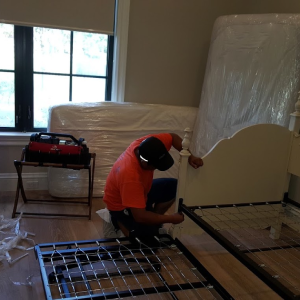
For a household move, that may include a detailed estimate, packing schedule, furniture disassembly, pickup timing, transportation, delivery planning, and unpacking. For an office or commercial relocation, it can also include after-hours work, equipment handling, workstation setup, storage, and a plan to keep downtime low.
The difference between a local move and an interstate move is not just distance. Local moves often allow more flexibility if a schedule shifts by an hour. A cross-country or multi-state move depends on transportation routes, delivery availability, building access at both ends, and required moving documentation. Small details matter more because correcting them from hundreds of miles away is rarely easy.
Start With Dates That Can Actually Work
Your ideal move date may be different from the date that is realistic for pickup and delivery. Before booking a mover, confirm when you must leave your current home, when you can access the new one, and whether either property has restricted moving hours.
Apartment buildings and high-rise condos commonly require elevator reservations, certificates of insurance, loading dock access, or advance notice to management. Some communities limit moves to weekdays or specific daytime hours. A single overlooked rule can leave a moving crew waiting outside while your reserved time disappears.
It also helps to identify which dates are firm and which can move. A lease end date or real estate closing may be fixed. Your preferred delivery date may have more flexibility. Being clear about that distinction allows the moving team to build a schedule around the priorities that cannot change.
Avoid scheduling utility shutoffs, final cleaning, pet transport, and travel plans too tightly around pickup day. Interstate moves can involve traffic, weather, road conditions, and route changes. A little breathing room protects your schedule when the unexpected happens.
Build an Inventory Before Packing Starts
A detailed inventory is one of the most useful tools in an interstate move. It helps establish the scope of the job, supports an accurate estimate, and gives you a clear record of what is being moved.
Walk through every room, closet, garage, storage unit, balcony, and office area. Include large furniture, appliances, boxed belongings, outdoor items, and specialty pieces. Take photos of high-value or fragile possessions before they are packed. If an item requires special handling, mention it early rather than assuming it will be handled like a standard box.
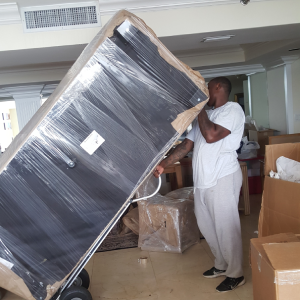
Pianos, pool tables, safes, vaults, hot tubs, large appliances, and oversized furniture may require trained crews and dedicated equipment. The same is true for pieces that must travel through narrow hallways, stairs, or tight condo elevators. Advance notice gives your movers time to bring the right tools and assign the right crew.
You should also separate items that will travel with you. Keep medications, passports, financial records, keys, jewelry, essential electronics, and a few days of clothing out of the moving truck. If you need an item immediately after arrival, do not bury it in a box labeled miscellaneous.
Get Clear on Pricing, Coverage, and Paperwork
A lower moving quote does not always mean a lower final cost. Interstate moving estimates should clearly explain what is included, what may create additional charges, and how pricing is calculated. Ask about packing labor, packing materials, stairs, long carries, storage, shuttle service, specialty items, and delivery conditions.
Transparent pricing means you understand the plan before the truck arrives. If your inventory changes significantly after the estimate, tell the mover. Adding a garage full of furniture or several large appliances at the last minute can affect labor, truck space, and cost.
You should also review the moving paperwork carefully. This includes your estimate, inventory, bill of lading, delivery information, and valuation coverage options. Valuation coverage is not the same as standard homeowners or renters insurance, so ask direct questions about how it applies to your belongings and what documentation is needed if a claim is ever necessary.
A professional mover should be licensed and insured for interstate work. Do not rely on a vague verbal promise or an estimate that does not identify the company handling transportation. Clear paperwork protects both your schedule and your belongings.
Pack for the Road, Not Just the Room
Interstate packing needs to account for longer handling times and more time in transit. Boxes should be sturdy, properly sealed, and labeled on more than one side. Fragile items need appropriate padding, while heavy boxes should stay manageable enough to lift safely.
Labeling by room is helpful, but it is even better to add a priority note. Mark boxes such as kitchen first, children’s room first, open first, or office setup. At delivery, this allows the crew to place essential items where they are needed and helps you get functional sooner.
Professional packing can be a practical choice when time is short, the home has many fragile items, or you are coordinating a move while managing work and family responsibilities. It is also useful for specialty belongings that need custom protection. The trade-off is added cost, but it can reduce damage risk and save days of personal packing time.
If you pack yourself, do not place prohibited or unsafe items in the shipment. Flammables, aerosol cans, propane tanks, perishable food, and certain chemicals may not be allowed in interstate transport. When in doubt, ask before packing it.
Coordinate Pickup and Delivery Access
A moving truck needs more than an address. It needs a workable path to the door.
At the pickup location, confirm parking arrangements, gate codes, elevator dimensions, loading rules, and any stair carries. At the destination, check whether the street can accommodate a large truck and whether the property has low-hanging trees, narrow roads, or restricted access. In some areas, a smaller shuttle vehicle may be needed to transfer belongings between the main truck and the residence.
Share the best contact number for moving day and make sure someone authorized to make decisions is available. If building management, a landlord, family member, or office manager must approve access, provide that information in advance.
For business moves, access planning should cover more than doors and elevators. Identify which departments move first, where equipment will be placed, and what must be operational immediately. A restaurant may need refrigeration equipment moved on a specific schedule. A medical office may need sensitive equipment, files, and waiting-room furniture handled in a controlled sequence. Good coordination protects both the move and the business day that follows it.
Prepare for Delivery Day Without Guesswork
Before delivery, make sure utilities are active, the home is accessible, and rooms are ready to receive furniture. If possible, measure large pieces and compare them with doorways, stairwells, and elevator interiors at the new property. A sectional sofa that fit perfectly in your South Florida home may not make the turn into a new apartment.
Create a simple floor plan for major items. You do not need a formal design document. Notes such as king bed to primary bedroom, desk to back office, and boxes for nursery upstairs can keep unloading efficient and reduce unnecessary rearranging.
As items come off the truck, check them against the inventory and inspect furniture before the crew leaves. If you notice an issue, document it promptly and follow the process outlined in your paperwork. This is also the right time to direct assembly, placement, and removal of packing debris if those services are part of your move.
When Storage Becomes Part of the Plan
Sometimes your belongings and your new home do not become available on the same day. A closing delay, renovation, delayed lease start, or temporary work assignment can create a gap between pickup and delivery.
Storage can keep the move moving forward, but it should be discussed early. Ask how storage affects delivery timing, access to items, pricing, and handling. If you expect to need a few important belongings during the gap, keep them with you instead of placing them in storage.
A coordinated plan is especially valuable when the move includes a partial shipment. You may send most household items ahead while keeping selected furniture, work equipment, or essentials in South Florida until the final transition date.
A successful interstate move is built on clear information, realistic timing, and a moving partner that treats the details as part of the job. Vision Movers can help you organize the work from packing and pickup through delivery, placement, and the specialized handling your move requires. Start early, ask specific questions, and give every address, access rule, and special item the attention it deserves.