A move can look simple on a calendar: pick a date, get the keys, and bring everything from one address to another. In reality, moving costs depend on the details between those two doors. A studio move from a first-floor apartment is very different from relocating a four-bedroom home, coordinating a condo elevator, or moving a piano through a narrow hallway.
The most useful estimate is not just the lowest number. It is the one that accounts for your actual home, access conditions, belongings, timeline, and service needs. When those details are clear before moving day, you can plan your budget with fewer surprises and avoid the stress of last-minute changes.
What Determines Moving Costs?
For local moves in South Florida, movers commonly price work based on the crew size, time required, and services selected. A two-person crew may be right for a smaller apartment with standard furniture, while a larger home, heavy items, or a tight schedule may call for more trained movers. A bigger crew can raise the hourly rate, but it may also finish the job sooner. The better value depends on how much work needs to happen at once.
Distance matters, but it is only one part of the calculation. Two homes might be five miles apart, yet one move could take much longer because of long walks from the truck, multiple flights of stairs, slow elevator access, difficult parking, or extensive furniture disassembly.
Long-distance moving costs work differently. The final price can reflect the shipment’s size or weight, the distance traveled, route logistics, delivery timing, and any requested services such as packing or storage. For an interstate move, confirm exactly what the estimate covers and how delivery arrangements will be handled.
The Size of Your Move
The number of rooms gives movers a starting point, but the contents of those rooms tell the real story. A lightly furnished one-bedroom apartment may move quickly. A similar-sized space packed with books, large sectionals, exercise equipment, fragile décor, and storage closet items requires more labor and truck space.
Before requesting an estimate, include items people often forget to mention: patio furniture, garage contents, oversized televisions, detached shelving, outdoor grills, mattresses, mirrors, artwork, and boxes already in storage. An accurate inventory helps the moving team recommend the right truck, crew, equipment, and time window.
Access at Both Addresses
South Florida apartments and condos can add logistical steps that affect time on the job. Elevators may need to be reserved. Buildings may require a certificate of insurance, a specific loading area, or a limited move-in window. Some properties restrict weekend moves or require padding for elevators and common areas.
Share building rules as early as possible. Let your movers know the floor number, elevator availability, loading dock location, parking instructions, gate codes, and how far the crew must carry items. This is not paperwork for paperwork’s sake. It helps prevent a crew from arriving ready to work but waiting for an elevator or searching for legal truck parking.
A house move has its own access questions. Narrow driveways, stairs, low-hanging branches, steep walkways, and long distances from the front door to the street can all affect the plan. Good movers look for these issues in advance and bring the right equipment rather than improvising on moving day.
Services That Can Change Your Moving Estimate
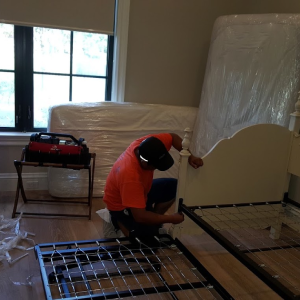
A basic moving service usually focuses on loading, transportation, and unloading. Full-service support can also include packing, unpacking, furniture disassembly and assembly, appliance handling, installation support, and short- or long-term storage. These services raise the upfront estimate, but they can save significant time and reduce the risk of injuries or damaged belongings.
Packing is a good example. Packing yourself can lower your immediate cost if you have enough time, quality supplies, and help. Professional packing is often worthwhile when you have fragile glassware, artwork, electronics, a busy family schedule, or a move happening on short notice. The right choice comes down to what your time is worth and how confident you feel protecting your belongings.
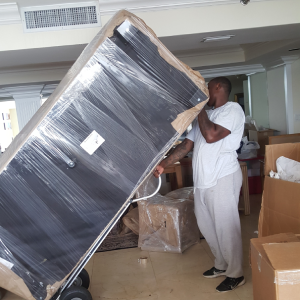
Specialty items should always be identified before the estimate is prepared. Pianos, safes, vaults, hot tubs, pool tables, large appliances, and commercial equipment need trained handling and dedicated equipment. These are not items to add casually on moving morning. Proper planning protects the item, the property, and everyone on the crew.
For businesses, moving costs can also reflect the need for after-hours work, equipment disconnection and reconnection, workstation disassembly, specialized packing, or coordinated delivery across multiple rooms or locations. The goal is not simply to move desks. It is to reduce downtime so employees, customers, and daily operations are disrupted as little as possible.
How to Budget for a South Florida Move
Start your budget with the moving service itself, then allow room for the practical expenses around it. Packing materials, storage, cleaning, utility deposits, elevator fees, and travel time can all affect what you spend overall. A little margin in the budget is especially helpful for moves involving condos, last-minute lease changes, or closing dates that can shift.
The lowest quote is not always the least expensive move. A vague estimate can leave room for unexpected charges, while a clear estimate gives you a better picture of the planned work. Ask what is included, what could change the price, whether travel time applies, and how additional services are billed. Transparent pricing should mean you understand the terms before the truck arrives.
If you are comparing companies, make sure you are comparing similar services. One estimate may include wrapping furniture, disassembly, and basic protection, while another may assume everything is packed, disconnected, and ready at the door. The numbers only mean something when the scope of work matches.
Ways to Keep Costs Under Control
You do not need to do every task yourself to manage your budget. The most effective approach is to handle the jobs that are realistic for your schedule and leave the heavy, technical, or time-sensitive work to professionals.
Decluttering before the move is one of the clearest ways to reduce time and truck space. Donate, sell, recycle, or dispose of items you no longer use instead of paying to pack and transport them. Focus first on garages, closets, storage units, duplicate kitchen items, and furniture that will not fit the new space.
Have boxes completely packed, sealed, and labeled before the crew arrives if you are not using packing services. Keep loose items out of drawers unless instructed otherwise, and set aside a clearly marked essentials box for medications, chargers, documents, keys, and items you need on the first night.
Finally, reserve elevators and loading areas early, confirm parking, and choose a move date as soon as your schedule allows. Weekend, end-of-month, and peak-season availability can be tighter. Flexibility may give you more options, but do not delay booking simply to chase a lower rate if your preferred date is critical.
Questions to Ask Before You Book
A dependable moving company should be comfortable answering direct questions. Confirm that the company is licensed and insured, ask how the crew will protect furniture and property, and explain any specialty items or access challenges. For apartment and condo moves, ask whether the team is familiar with building requirements and can provide documentation your property manager may request.
It also helps to ask what happens if the move takes longer than expected. The answer should be straightforward, not buried in unclear terms. A professional team will explain the billing structure, identify foreseeable challenges, and help you choose services that fit the move rather than pushing a one-size-fits-all package.
Moving day should feel organized, not like a guessing game. With a complete inventory, honest access details, and a clear estimate, you can choose the level of help that makes sense for your home, schedule, and budget. Vision Movers can help South Florida residents and businesses build that plan with trained crews, proper equipment, and transparent pricing from the start.