A move can look affordable until the small decisions start adding up: extra boxes, an elevator reservation, a second trip, storage for a few weeks, or help with a heavy sofa that will not fit through the doorway. This moving budget guide helps South Florida renters, homeowners, and business owners build a realistic number before moving day, so there are fewer surprises and better decisions along the way.
The goal is not simply to find the lowest quote. It is to understand what your move requires, compare services fairly, and spend where professional help protects your time, belongings, and peace of mind.
Start Your Moving Budget With the Scope of the Move
Before pricing anything, define the move in practical terms. A studio apartment moving from Fort Lauderdale to Hollywood has very different labor, truck, and access needs than a four-bedroom home moving from Weston to Palm Beach County. A commercial move may require after-hours scheduling, equipment disconnection, careful labeling, and fast setup at the new location.
Write down your move date, current and new addresses, home size, approximate number of rooms, and any large or fragile items. Then consider access at both locations. Stairs, long walks from the truck, gated communities, narrow hallways, loading docks, and high-rise elevators can all affect the time and crew size required.
For condo and apartment moves, ask building management about move-in and move-out rules early. Many South Florida buildings require elevator reservations, certificates of insurance, approved move hours, or deposits. These are not last-minute details. They can determine whether a crew can start on time and whether the move must be split into separate trips.
Know the Main Costs in a Moving Budget Guide
A complete moving budget should separate the core move from related expenses. That makes it easier to see where you can save and where cutting costs could create more work or risk.
Your main categories should include:
- Moving labor, truck transportation, fuel, and travel time when applicable
- Packing supplies, including boxes, tape, paper, mattress bags, and specialty cartons
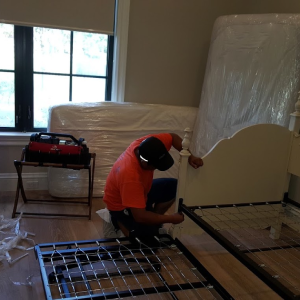
- Packing, unpacking, furniture assembly, disassembly, or installation services
- Building fees, elevator reservations, parking arrangements, and cleaning costs
- Storage, temporary lodging, utility deposits, and replacement items for the new space
Not every move needs every category. If you are moving locally and packing a small apartment yourself, your budget may be mostly labor and basic supplies. If you are relocating a family home across Florida or out of state, packing, travel, storage, and timing can have a much larger impact.
Labor and Transportation
Professional moving costs are often based on the time, crew, equipment, distance, and services involved. Local moves commonly depend on the number of movers needed and the hours required. Long-distance pricing may be structured differently, often based on distance, shipment size, delivery logistics, and requested services.
Be accurate when describing your inventory. Forgetting a garage full of boxes, a large sectional, or a home office can lead to an estimate that does not match the actual move. Let the moving company know about stairs, elevators, difficult parking, and oversized items from the beginning.
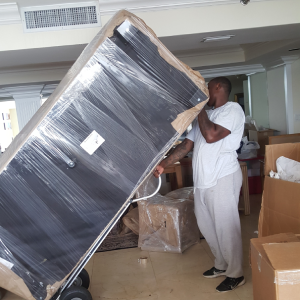
Specialty items deserve their own conversation. Pianos, safes, pool tables, hot tubs, appliances, and large commercial equipment may require trained crews and dedicated equipment. Paying for proper handling is usually less costly than repairing property damage, replacing an item, or dealing with an injury after an attempted DIY move.
Packing Costs and the DIY Trade-Off
Packing yourself can reduce the initial bill, but it takes more time than most people expect. A one-bedroom apartment can require dozens of boxes and several evenings of work. A family home may take days, especially when closets, kitchens, garages, and fragile décor are included.
Professional packing is worth considering when time is tight, fragile belongings need extra care, or a move must happen quickly. It can also simplify a last-minute relocation, because the crew arrives with the materials and process needed to protect items efficiently.
A middle-ground option often works well: pack clothing, books, linens, and other straightforward items yourself, then have movers pack glassware, artwork, electronics, mirrors, and other breakables. Keep receipts for purchased supplies so you can see whether buying materials individually actually saves money compared with a packing service.
Plan for the Costs People Miss
A budget that only covers the mover is incomplete. The overlooked expenses are often manageable on their own, but together they can strain your cash flow during an already busy week.
Start with your lease or home closing timeline. You may have overlap between properties, which can mean an extra month of rent, utilities, insurance, or HOA fees. You may also need cleaning, touch-up paint, carpet service, or junk removal before turning over the old space.
Then look at the new location. Utility connection charges, deposits, new locks, window coverings, basic tools, groceries, and household items can appear immediately after arrival. If you are moving into a larger home, resist the urge to furnish every room in the first week. Live in the space briefly and prioritize what you genuinely need.
For businesses, budget for downtime as well as physical relocation. An office may need internet activation, workstation installation, signage, cleaning, and coordination with building management. Restaurants, medical offices, retail stores, salons, and warehouses may have specialized equipment or compliance requirements. Flexible after-hours moving can cost more in some cases, but it may protect revenue by limiting disruption to normal operations.
Build a Contingency Fund You Will Actually Use
Set aside 10% to 15% of your estimated moving total for unexpected needs. This is not a blank check for impulse purchases. It is a practical reserve for schedule changes, additional supplies, a storage extension, a repair, or an item that needs special handling.
The right amount depends on the move. A simple local move with a flexible schedule may need a smaller buffer. A long-distance relocation, a closing-date move, or a high-rise condo move with strict building rules calls for more room in the budget.
Keep this contingency separate from your regular emergency fund if possible. A moving surprise should not leave you without money for a car repair, medical bill, or another true emergency later in the month.
How to Compare Moving Estimates Fairly
A low number is only useful if it covers the services you need. When reviewing estimates, compare the same scope of work: crew size, estimated hours or shipment size, truck, travel, packing materials, specialty handling, storage, and any access-related charges.
Ask clear questions. Is the pricing hourly, flat-rate, or based on shipment weight and distance? Are packing materials included? What happens if the move takes longer than expected? Is there a minimum charge? Are there charges for stairs, long carries, elevators, fuel, or extra stops? A reliable mover should explain the estimate in plain language and tell you what could change the final cost.
Licensing and insurance should also be part of your decision. A cheap, poorly prepared move can become expensive if belongings are damaged, a crew lacks the right equipment, or the company cannot meet your building’s requirements. Transparent pricing does not mean every move costs the same. It means you understand what you are paying for before the truck arrives.
Lower Your Cost Without Making the Move Harder
The best savings usually come from reducing the amount of work, not from choosing the least prepared option. Start decluttering several weeks before the move. Sell, donate, recycle, or dispose of items you no longer use, especially bulky furniture that will not fit the new space. Every item removed can reduce packing time, truck space, and unloading labor.
Choose a move date with some flexibility if you can. End-of-month dates, weekends, and periods around lease turnover can be busier. Booking earlier also gives you time to arrange elevator access, parking, and building paperwork without rushing.
Prepare your home before movers arrive. Pack and label boxes by room, clear walkways, disconnect small electronics, and set aside items that are not moving. Keep medicines, important documents, valuables, chargers, and a change of clothes with you rather than loading them onto the truck.
Do not save money by underestimating the job. Asking for too small a crew or trying to move a safe, piano, or oversized appliance without the right equipment can create delays and damage. A tailored recommendation from an experienced moving team is often the more affordable choice once you account for time, safety, and the value of your belongings.
Make the Budget Work on Moving Day
Keep your estimate, building contacts, payment method, and moving checklist in one place. Confirm arrival time, parking arrangements, elevator access, and the final destination before the crew begins loading. At delivery, walk through the home or office and direct boxes to their labeled rooms. This small step prevents extra labor later and makes unpacking far easier.
Vision Movers helps South Florida customers match the right crew, equipment, and services to the move at hand, whether that means a same-day apartment move, a full household relocation, or a business move scheduled around operating hours. Clear planning and transparent pricing give you control from the first box to the final placement.
A well-planned move does more than protect your budget. It lets you arrive at the new home or workplace ready to settle in, instead of spending the first week chasing costs you could have anticipated.